
Lifespan
The years you are alive. The only number most people are ever given, and the least useful of the three.


Two people the same age arrive at ninety differently. One is still deciding. One is being decided for. The difference is being set now, and almost no one measures it.
A private gathering · By invitation
Ninety-nine percent spend a lifetime building wealth. The rarer discipline of the 1% is designing what it cannot secure — the years, the capacity, the self that no balance sheet holds.
Don't retire from the life you built.
Everything around you is planned on a schedule. The balance sheet every quarter. Succession, when the lawyers say so. The one asset carrying all of it is glanced at once a year, in a corridor, by a system built to rule out disease.
Before you can design the twenty-five years ahead, you have to be given the number that describes them — and there are three ways to count.
The years you are alive. The only number most people are ever given, and the least useful of the three.
The years you are well. Where a good annual check-up stops: disease ruled out, decade undescribed.
The years you are still entirely yourself. Deciding, capable, wanted. This is the one the gathering is built around.
Joyspan is a short list of specific capacities. Every one of them is being decided right now, quietly, while you are busy with everything else.
Not in your forties. Not by eighty. In whichever year you happen to be standing in. Compounding is indifferent to when you start; it only asks that you did.
Two days will not hand you any of this. What they hand you is the design: which of these you are on course to keep, which you are already losing, and what the next twenty-five years would need from you to keep the rest. Not because a chair is a blood test, but because the man still chairing at eighty-two is not doing it on will alone.
Your annual check-up is built to answer one question: is anything wrong this year. It answers it well, and then it stops. The direction you are travelling in, and the rate — the two things the next twenty-five years actually turn on — are not on that report, because it was never built to look for them.
That is a different set of measurements, read a different way.
In November, two people call at your home. One draws a little blood; the other takes your measure, twenty-two of them. An hour and a half, one morning, in your own drawing room. What is drawn there decides what your report will say, which is why requests close in October.
On the first morning at the Fairmont, a dedicated floor measures what blood cannot: grip, gait, balance, the rise from a chair. Results are in your hand by evening, on paper, before dinner.
The numbers are the easy part. The reading is the whole of it.
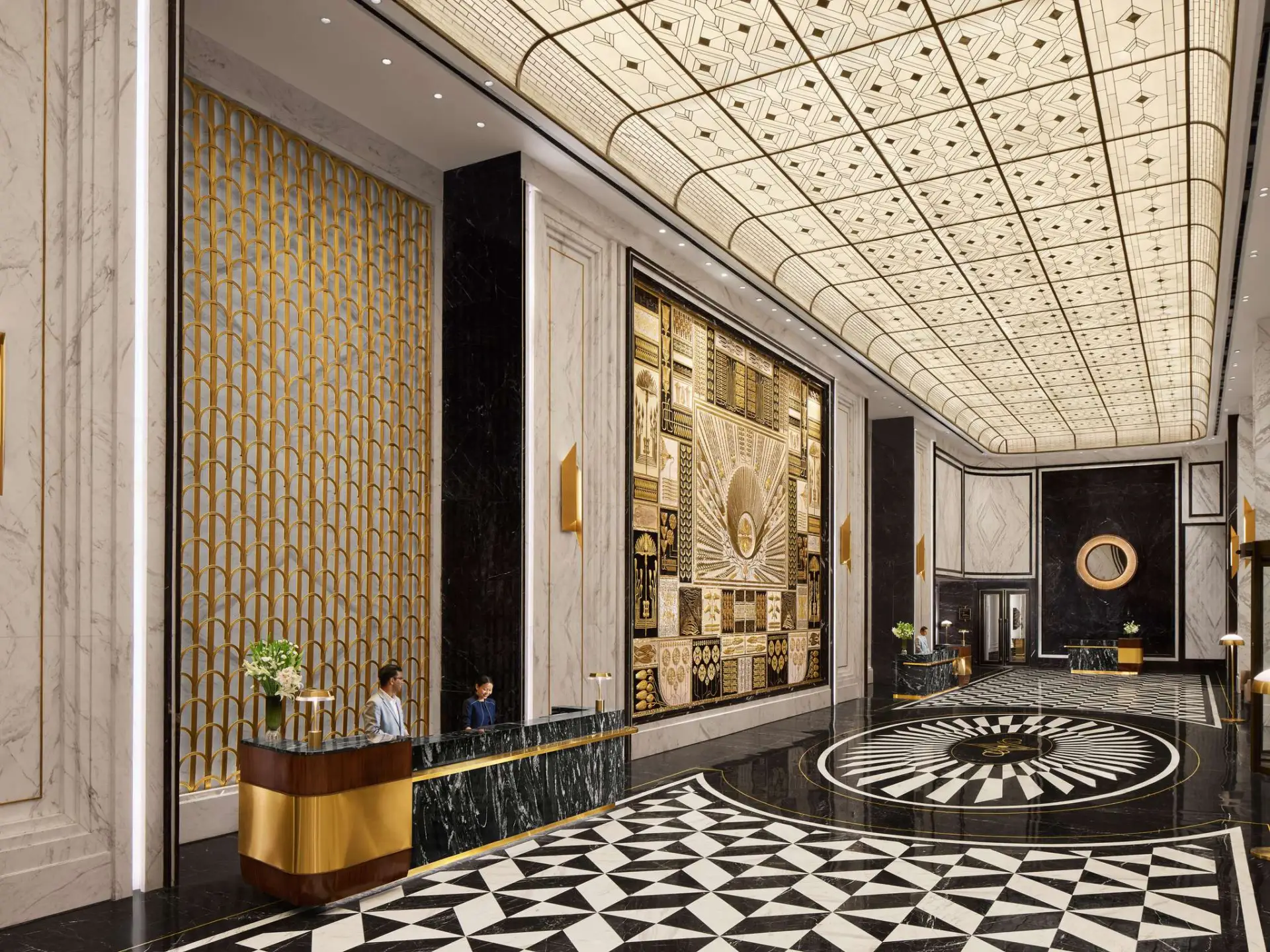
Arrivals Saturday the 2nd. The programme runs the 3rd and the 4th. Departures the 5th.
The morning belongs to the measuring, and the afternoon to what it says.
Your table is joined by men and women a long way past where you are standing. Wear something you inherited. This is the one evening we would rather it were not overruled.
India returns to its desk. You do not. Six hours, half of them across from your own physician, reading results that belong to no one else.
One unbroken table, with no head. A single request: wear something you were given, never something you bought. You will be asked about it, and that is the whole of the seating plan.
A private gathering, admitted on fit. What this room shares is a stage rather than an industry — people who settled the part of life that money answers some years ago, and have been working on the part it doesn't ever since. Reading further than their physician expected. Changing the training. Asking the question early instead of late.
Most of them have been doing it alone. What has been missing is a room at the same altitude, and two days in which the question is the only thing on the table. A faculty chosen so that every hour is time that could not have been bought elsewhere.
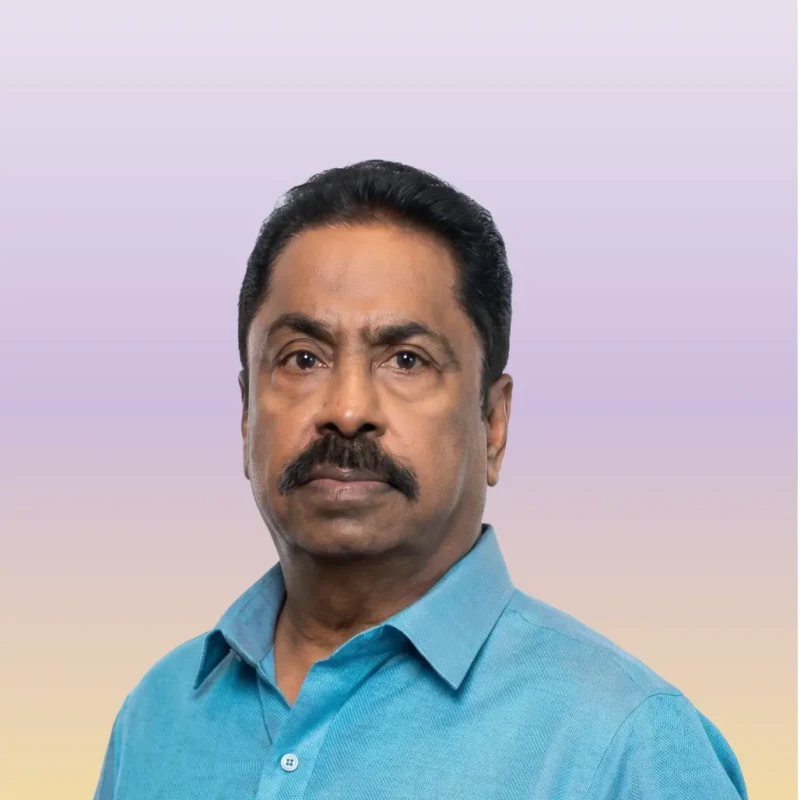
Keynote Speaker
Biohacker, Founder & Mentor, AIWO. Founder of Sterling Group and serial entrepreneur behind Aircel and DishnetDSL.

Keynote Speaker · 2027–2029
Mumbai · 2–6 January 2027
Main Stage Keynote, Couples Workshop, Senior Delegates Session and Fireside Conversation.
More speakers will be announced soon.
The November visit — one morning at home, an hour and a half.
Your wardrobe for the days — five shirts, measured in November.
Residence at Fairmont Mumbai for the programme, with transfers from the moment you land.
The private hour — your own physician, your own results, the day they are read.
Your written plan for the next twenty-five years — in your hand before you leave.
Every table and every evening, to the closing dinner.
Children — up to two may accompany a guest.
A seat is ₹2.5 to ₹15 lakh, plus GST, according to what it holds. Nothing is due unless one is offered and you take it.
Three months of care follow you home. Your plan is reviewed against what actually happened.
Invitations are limited, and a request does not secure one. Each is read; not all are granted. What follows a granted request is a conversation, never a transaction.
A few minutes. Nothing is asked but a little candour, and no payment at all.
Against fit: capacity, consent, conduct, contribution. Net worth is the one thing we do not weigh.
If an invitation follows, someone from AIWO calls. Every real question is answered here, by a person.
Only then are terms settled, and your November morning is set in the same call.
Requests close on the twentieth of October 2026. The draw that decides your report happens in November, and a seat confirmed after that cannot carry it.
Between ₹2.5 and ₹15 lakh, plus GST, according to what the seat holds. The request itself costs nothing and carries no commitment. Nothing is due unless a seat is offered and you take it.
Then this year is covered. A master health check is built to find what is wrong now, and it is very good at it. It is not built to describe the direction you are travelling in, or the rate, and it is read against a reference range rather than against your life. Those are the questions the next twenty-five years turn on.
Everything, in full, before anything is drawn — explained in a call, with a person, once a seat is offered.
Because it is the one day that proves the point. Every other summit is scheduled around your calendar. This one asks you to schedule your calendar around it — once, for six hours, in the week the decisions of the year are set. The people who cannot give that day are usually the people the room is not for.
Nor would we. There is no exhibition hall and no lanyard. The centre of the gathering is a few unhurried hours, much of it across a table from a physician, reading your own results.
Because the draw that decides your report happens in November, and everything prepared for you follows from it. A seat taken after the twentieth becomes a lesser thing — and we would rather offer the whole of it.
People admitted on fit, alone and in pairs.
No. Nothing is sold to you at this gathering, and no partner has access to your results, your report or your contact details.
Your sample is analysed and then destroyed. Your results are held under the Digital Personal Data Protection Act, 2023, and are shared with no one without your written instruction. You may withdraw consent and have the record erased at any time. It is yours.
Designing, deliberately, the twenty-five years everything else was built for. For those who do not make resolutions — only decisions.
Requests close on the twentieth of October.